
(ANON) Anonverse X CMC Airdrop: Is It Real or a Scam?
 Aug, 3 2026
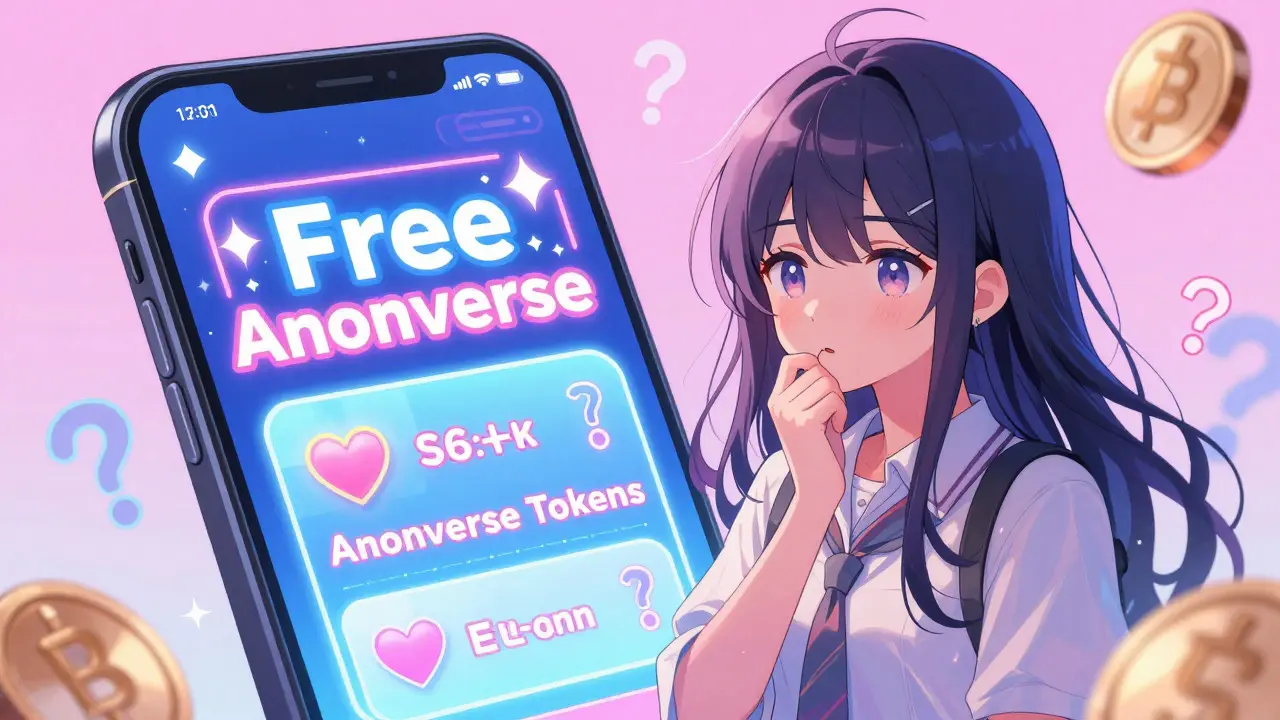
Have you seen the flashy banners promising free Anonverse tokens? They pop up everywhere on social media and crypto forums right now. The promise is simple: connect your wallet to get an exclusive airdrop from Anonverse in partnership with CoinMarketCap (CMC). It sounds too good to be true, doesn't it? In the world of crypto, when something looks like a golden ticket, it’s often a trap waiting to spring.
If you are holding your breath for this drop, stop. Take a deep breath. Before you click that link or sign that transaction, you need to know the hard truth about the so-called "Anonverse X CMC" campaign. This isn’t just another guide on how to claim tokens; it’s a survival manual for keeping your digital assets safe from one of the most common scams in the industry today.
The Anatomy of the Anonverse Scam
Let’s cut through the noise. There is no official collaboration between a project called Anonverse and CoinMarketCap for an airdrop. If you search the official announcements from CoinMarketCap, their verified Twitter account, or their main website, you will find zero mentions of this partnership. That silence is loud. It means the people running these sites are lying to you.
Scammers love to borrow trust. By slapping the CoinMarketCap logo next to a new, unknown project name like Anonverse, they create a false sense of security. You see a brand you trust (CMC) and assume the offer must be legitimate. But here is the catch: CoinMarketCap does not run random airdrops for obscure projects without massive, widely publicized campaigns. If this were real, every major news outlet would be covering it. Instead, the only places you hear about it are suspicious Telegram groups and unverified websites.
This specific scam usually follows a predictable pattern. First, you land on a fake landing page that mimics the clean design of legitimate crypto platforms. Then, you are asked to connect your wallet. Once connected, the site asks you to approve a transaction. This is where the danger lies. That approval isn’t giving you tokens; it’s giving the scammers permission to drain your wallet.
How the "Approve" Trap Works
You might think, "I’m just approving a small amount of gas fees." Think again. Many of these malicious contracts use an unlimited allowance. When you click "Approve," you are essentially handing over the keys to your house and telling the thief they can take whatever they want, whenever they want.
Here is what happens behind the scenes:
- Wallet Connection is the first step where the scammer identifies your address and checks if you hold valuable assets like ETH, USDT, or other popular tokens.
- Token Approval is a smart contract function that allows a third party to spend your tokens on your behalf without further confirmation.
- Drain Function is the hidden code that executes once approved, transferring all compatible assets from your wallet to the scammer's address instantly.
Once the transaction is confirmed, the site might show a fake "Success!" message. Meanwhile, your balance drops to zero. By the time you realize what happened, the funds are already moved through multiple mixers, making them nearly impossible to recover.

Red Flags to Watch For
Not every airdrop is a scam, but the ones that look like this one have several glaring red flags. Learning to spot these signs can save you thousands of dollars. Here is what to look out for:
| Red Flag | What It Means | Legitimate Alternative |
|---|---|---|
| Urgency Tactics | Countdown timers or "Only 10 spots left" messages pressure you to act without thinking. | Real projects give clear deadlines and allow ample time for due diligence. |
| Unverified Partnerships | Claims of working with big names like CMC or Binance without official press releases. | Check the official blog of the partner company directly, not via a link provided by the project. |
| Poor Website Quality | Misspellings, broken links, or generic stock photos indicate a rushed job. | Professional projects invest in high-quality UI/UX and clear documentation. |
| Unknown Team | No LinkedIn profiles, anonymous founders, or lack of GitHub activity. | Transparent teams share their backgrounds and development history publicly. |
If you see any of these signs, close the tab immediately. Don’t even hover over the buttons. Curiosity killed the cat, and in crypto, it kills your portfolio.

Verifying Legitimacy: A Step-by-Step Guide
Before you ever connect your wallet to a new platform, run through this checklist. It takes two minutes but could save you everything.
- Check Official Channels: Go directly to CoinMarketCap’s official website or Twitter. Search for "Anonverse." If nothing shows up, the partnership doesn’t exist.
- Inspect the URL: Look closely at the web address. Scammers often use slight misspellings like "coinmarketcap-airdrop.com" instead of the official domain. These subtle differences are easy to miss if you’re rushing.
- Use a Burner Wallet: Never connect your main wallet with significant holdings to unverified sites. Use a secondary wallet with minimal funds. If it gets drained, the loss is manageable.
- Read the Contract: If you’re tech-savvy, check the contract address on Etherscan or BscScan. Look for audit reports from reputable firms like CertiK or OpenZeppelin. If there’s no audit, treat it as guilty until proven innocent.
- Community Feedback: Ask in independent communities like Reddit or trusted Discord servers. Avoid comments on the project’s own social media, as those are often filled with bots.
What To Do If You’ve Already Connected
Did you panic-click and connect your wallet? Don’t despair yet. You might still have time to undo the damage. Here is how to secure your assets quickly:
First, go to a tool like Revoke.cash or DeBank. Connect your wallet to these trusted interfaces. They will list all the approvals you’ve granted to different contracts. Look for the Anonverse contract address. If you see an unlimited allowance, revoke it immediately. This cuts off the scammer’s access to your remaining tokens.
Second, move your assets. Transfer your ETH, USDT, and other valuable tokens to a fresh wallet address. Change your seed phrase storage location if you suspect any malware was downloaded during the visit. While revoking approvals stops future drains, moving assets ensures that if the revocation fails, the funds are safe elsewhere.
Protecting Yourself Going Forward
The crypto space moves fast, and scammers evolve with it. The best defense is a healthy dose of skepticism. Remember, legitimate projects rarely ask for upfront approvals for simple airdrops. They usually distribute tokens based on on-chain activity you’ve already performed, like swapping on a DEX or providing liquidity.
Keep your hardware wallet handy for large transactions. Enable two-factor authentication on all your exchange accounts. And most importantly, never let FOMO (Fear Of Missing Out) override your logic. If an opportunity feels too risky, it probably is. Your patience is your most valuable asset in this market.
Is the Anonverse X CMC airdrop real?
No, it is highly likely a scam. There are no official announcements from CoinMarketCap regarding a partnership with Anonverse. Always verify such claims on official channels before connecting your wallet.
How do I know if an airdrop is legitimate?
Check for official press releases, verify the team’s identity, look for smart contract audits, and ensure the website URL matches the official domain. Legitimate projects are transparent about their partnerships.
What should I do if I connected my wallet to a scam site?
Immediately use tools like Revoke.cash to cancel any approvals granted to the scam contract. Then, transfer your remaining assets to a new, secure wallet address to prevent further draining.
Does CoinMarketCap run its own airdrops?
CoinMarketCap occasionally partners with projects for promotional events, but these are always announced officially on their blog and social media. Be wary of unsolicited emails or pop-ups claiming otherwise.
Can I recover stolen crypto from an airdrop scam?
Recovery is difficult but not impossible. Report the incident to local authorities and provide transaction hashes. However, prevention is far more effective than recovery in decentralized finance.