
Bagel (BAGEL) Finance Airdrop Guide: Is It Over in 2026?
 Mar, 28 2026
Has the Window Closed?
You're probably here because you saw a headline or a social media post claiming you can still grab free tokens from Bagels Finance. The short answer? You missed the bus. As of today in March 2026, the official distribution period for the BAGEL token airdrop concluded back in April 2025. While it’s tempting to chase "late" claims online, understanding the actual timeline and the current state of the protocol is far more valuable than chasing ghosts.
This isn't just about missing a freebie; it's about understanding where this specific decentralized finance (DeFi) project stands after a long silence. Many protocols launch with fanfare, distribute tokens via airdrops, and then quietly fade into the background. To decide if BAGEL is worth your attention now, we need to separate the marketing hype of 2024 from the hard market data available in early 2026.
What Actually Is Bagels Finance?
When analyzing Bagels Finance, you're looking at a cross-chain leveraged yield farming platform. In simpler terms, it allows crypto investors to deposit assets like Ethereum (ETH), Bitcoin (WBTC), or stablecoins (USDT, DAI) into smart contracts to earn interest. The unique selling point was leverage. Unlike standard savings accounts in DeFi, Bagels Finance offered up to 10x leverage on your yield farming strategies.
Theoretically, if a standard farm paid 5% annual yield, a user with 10x leverage could aim for 50%. However, leverage works both ways-it amplifies gains but also slashes losses. The platform positioned itself as a tool for advanced traders who understood liquidation risks and wanted to maximize exposure across multiple blockchains simultaneously.
For those new to these concepts, think of it like a high-risk loan. You borrow money using your crypto as collateral to invest it further. The goal is that the returns from the investment pay off the loan cost plus profit, all automated through code. The BAGEL token acts as the governance key for this system, allowing holders to vote on future changes to the protocol.
The 2025 Airdrop Reality
If you're asking about the airdrop specifically, we need to look at the records. Documentation from tracking sites like Airdrop.io placed the official end date at April 11, 2025. The reward pool was set at roughly 103,594 BAGEL tokens distributed among eligible participants.
| Parameter | Status | Note |
|---|---|---|
| Official End Date | April 11, 2025 | No extensions announced |
| Reward Pool Size | 103,594 Tokens | Fixed cap for distribution |
| Eligibility Requirements | Liquidity Provision | Based on historical activity |
| Current Claim Status | Closed | Cannot claim retroactively |
The strategy was simple: give tokens to people who already helped build the network. This creates a community of stakeholders rather than random speculators. Unfortunately for latecomers, if you didn't meet the criteria by the deadline, the contract simply stops distributing. There were no secondary waves released after the initial campaign.

BAGEL Tokenomics and Current Value
Here is where things get murky for the investor looking to buy in during 2026. The BAGEL token was designed with a max supply of 110 million units. The promise was strong: token holders would receive dividends from platform revenue.
Specifically, the protocol pledged to distribute 85% of its generated fees to those who staked their BAGEL tokens. This is a classic "buy-back and burn" or dividend model intended to create passive income. However, the execution relies entirely on active volume.
As of late February 2026, major tracking platforms show conflicting data. Some list the price at essentially zero dollars with no circulating supply. Others show negligible prices like $0.0000226 based on older data points from earlier in the year. Most critically, major exchange listings have been absent. Binance, one of the world's largest platforms, explicitly noted in previous records that BAGEL was not listed for trading, with updates freezing back to June 2022.
This lack of liquidity is a significant red flag. Even if the project functions technically, you cannot easily sell your tokens without a liquid market. This effectively locks value away.
Trading and Market Position in 2026
Attempting to trade BAGEL currently involves navigating decentralized exchanges (DEXs) rather than centralized order books. This means higher slippage, meaning the price you pay might be much different from the listed price when you try to execute the trade.
- Liquidity Pools: Deep liquidity requires many buyers and sellers. With reports of zero volume on top aggregators, liquidity is thin.
- Price Volatility: In low-liquidity markets, a single large trade can crash the price by 50% or spike it equally as fast.
- Delisting Risks: Projects often disappear from visibility tools (like CoinMarketCap) when development halts, even if the wallet addresses remain active.
Investors should assume that any prediction models seeing growth in 2025 or 2026 are theoretical at best. Without verified transaction volume, technical analysis charts are essentially fiction.
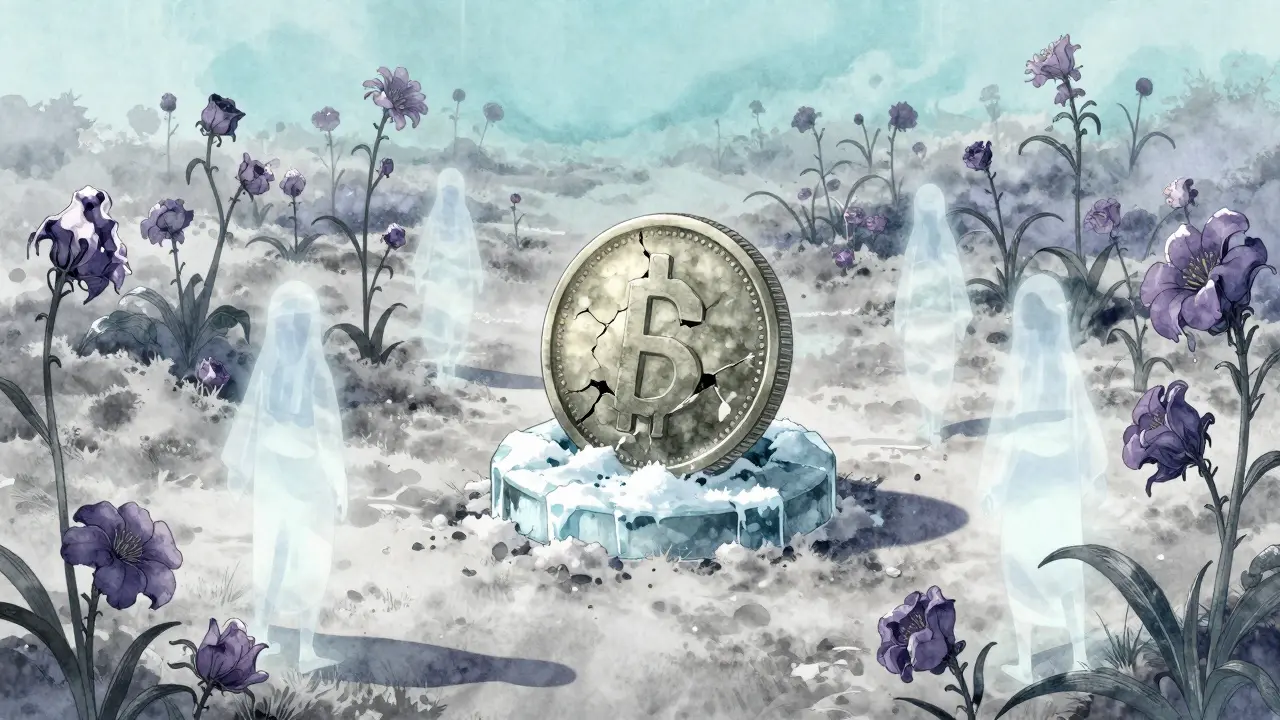
Risk Assessment for New Participants
Entering this project now requires accepting a "zombie protocol" scenario. This is a blockchain application that is deployed but rarely updated. For a project promising leveraged yield farming, security audits are non-negotiable. Old vulnerabilities in the smart contract code could still allow hackers to drain funds.
You also face regulatory uncertainty. Different jurisdictions treat airdropped tokens differently regarding tax liabilities. In places like New Zealand or the US, receiving tokens-even unsold ones-can sometimes trigger a taxable event depending on local laws. Holding them until they have clear utility reduces this risk, but holding illiquid tokens carries opportunity costs.
If you are planning to interact with any remaining Bagels Finance smart contracts directly, check the most recent audit reports. Older audits (from 2022-2023) do not validate code updates made later. Always verify contract addresses on block explorers before connecting your wallet.
Frequently Asked Questions
Can I still claim the Bagels Finance airdrop in 2026?
No. The official distribution period for the BAGEL airdrop ended on April 11, 2025. Unless the team announces a surprise bonus round-which is highly unlikely-the program is permanently closed.
Is BAGEL token traded on Binance?
No. Binance previously confirmed that BAGEL is not listed on their exchange. There is currently no indication of a delisting or upcoming listing plans as of early 2026.
How does the 85% revenue share work?
Staking BAGEL tokens theoretically entitles holders to 85% of platform revenue. However, this depends on the platform generating consistent fees from users utilizing the leveraged farming tools. If usage drops, revenue drops to near zero.
What happened to the circulating supply?
Tracking sites show a circulating supply of zero, which suggests the tokens may not be actively traded on supported exchanges, or the distribution failed to move to open markets successfully.
Is Bagels Finance secure to use?
Levarged farming protocols inherently carry smart contract risk. Without recent security audits or active developer communication in 2026, interacting with the protocol is considered high-risk.
Liam Robertson
March 28, 2026 AT 16:38I think people forget that projects live and die fast. Even though this window closed early it shows the team had confidence. We should support the remaining holders instead of chasing dead ends. There is always something better coming up. Let us focus on positive opportunities. The community spirit remains strong even without tokens. You can find other ways to engage safely. Hope everyone moves forward with good vibes.
Sean Carr
March 30, 2026 AT 12:56The contract code verifies the stop date clearly. No extensions were coded into the smart contract logic. Anyone claiming otherwise lacks basic blockchain literacy. Liquidity data confirms zero volume on major pools right now. Do not risk funds on deprecated contracts.
Elizabeth Akers
March 31, 2026 AT 05:53it feels like everyone missed out big time on this opportunity here
Alex Lo
April 1, 2026 AT 07:07i remember trying so hard to get those tokens back in 2025. it was realy a lot of work to qualify for the airdrop conditions. i spent hours reading the documentation over and over again. my frend also tried but he lost his wallet keys. we talked about it every night until the deadline passed. finally the day came and the button was greyed out. i couldnt believe how strict they were with the timing. people said there would be a second chance round later. but nothing showed up on the announcement channels ever. i kept refreshing the page for weeks just in case. nobody else online seemed to be getting notifications either. maybe the server was down or maybe they stopped caring. i feel bad wasting my screen time on it now. my portfolio looks totally empty because of this failure. i should have moved my assets somewhere else sooner. the market does not wait for anyone to catch up. i guess you just learn from mistakes like this. its painful but maybe it makes you smarter trader. who knows if they bring it back alive again. probably not since devs are silent for years. best to close the tab and move on.
Matt Bridger
April 1, 2026 AT 19:44The structural integrity of decentralized finance relies on transparent governance mechanisms. Such protocols failing indicates deeper systemic issues beyond mere delays. Speculators often ignore foundational economic models when profit is the only goal. Rational actors should recognize the value erosion inherent in abandoned projects.
Lisa Miller
April 2, 2026 AT 17:00I completely understand why folks feel stuck on this one. It is hard to let go of potential gains. But honestly staying away protects your capital better. You never know what amazing new project pops up tomorrow. Keep your heads up and stay safe out there. There are plenty of other farms to visit safely. Lets just look forward to brighter opportunities.
Joy Crawford
April 3, 2026 AT 16:20i am so sad about this news 😢😭. all my hopes were crushed when the date hit. it feels like such a scam even though i knew it might happen. why do teams leave their users behind like this 🤷♀️. i wanted to cry when i checked my wallet again. nobody cares about the little guys anymore 💔.
Ronald Siggy
April 4, 2026 AT 03:18Safety must come before speculation in any market environment. Connecting wallets to unverified old contracts invites disaster. Protect your private keys at all costs during these lulls. Vigilance keeps your assets secure from exploiters. Stay firm and do not take unnecessary risks.
Shaira Vargas
April 4, 2026 AT 09:28This is absolutely unfair for everyone who waited patiently. They promised rewards and then just shut the doors without warning. It feels like a huge betrayal of trust in this whole industry. I cannot believe they just left us hanging like this. Everyone deserves better communication from project leaders. It is so annoying to find out too late that it is over. Why bother supporting things that disappear so quickly?
Samson Abraham
April 6, 2026 AT 00:20The situation reflects broader patterns within emerging technology sectors. Investment requires patience and accurate timing rather than hope alone. Understanding terms is vital before engaging capital. Risk management is the primary skill needed here. Proceed with caution regarding any residual claims.
Wade Berlin
April 6, 2026 AT 15:03Of course it is closed like a brick wall. Nobody checks the source code anymore anyway. Guess everyone just wants free money without doing the math. Smart money exited before this dust settled. Retail bags will hold forever while devs vanish. Not surprised at all really.
Colin Finch
April 7, 2026 AT 03:14The lifecycle of digital assets mirrors natural seasons of growth and decay. Perhaps the bagel was meant to be enjoyed fresh back then. We learn wisdom from watching things fade gracefully over time. True wealth comes from understanding cycles not chasing drops. Wisdom waits in the quiet spaces between transactions.
Beverly Menezes
April 7, 2026 AT 22:20Just take it easy and do not stress about it too much. Losing out on one thing means room for another great thing. Keep learning and keep trying your best always. Everything works out for the good eventually.
Katrina Tate
April 8, 2026 AT 14:25Data points indicate negligible activity since the initial freeze period. Volume metrics are non-existent on all public aggregators. Token utility has effectively been nullified by lack of liquidity. Conclusion aligns with standard abandonment protocols in DeFi history.
joshua kutcher
April 8, 2026 AT 21:44We all go through tough times investing online sometimes. Take a breath and step back from the screen. Your peace of mind matters more than any token. I hope you find clarity soon.
Callis MacEwan
April 9, 2026 AT 04:05Liquidity fragmentation exacerbates the slippage issues for late entrants. Arbitrage opportunities remain theoretical due to order book depth constraints. Governance tokenomics fail without active voting participation. Market inefficiencies persist across low cap altcoin spectrums. Prudent capital allocation avoids zombie protocols entirely.
Jay Starr
April 10, 2026 AT 00:41The silence is deafening when you expect results from a once promising venture. Years pass and nothing changes despite the hype cycles. It serves as a reminder of impermanence in finance. The drama is over and reality sets in.