
Benefits of NFTs for Game Developers in 2026
 Mar, 19 2026
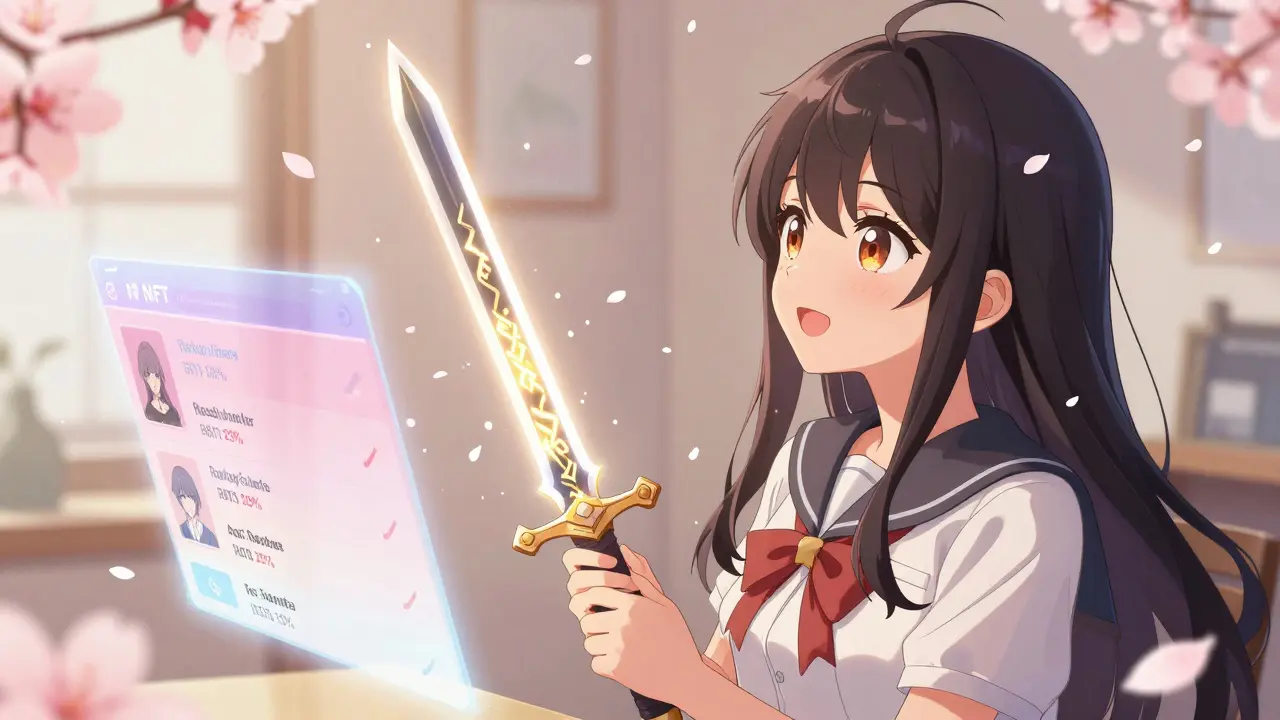
Game developers in 2026 aren’t just building worlds-they’re building ownership. For the first time in gaming history, players aren’t just renting digital items. They own them. And that shift, powered by NFTs, is changing how games are made, sold, and sustained. No more disappearing skins. No more locked content. No more corporate control over your hard-earned gear. NFTs give players real, verifiable ownership, and that’s turning game development into a long-term business, not a one-time sale.
Multiple Revenue Streams, Not Just One-Time Sales
Traditional games make money once: when you buy the game. Maybe you spend a few bucks on a skin or a battle pass. Then it’s over. NFTs change that. When a developer mints a weapon, armor, or land parcel as an NFT, they don’t just earn from the first sale. They earn every time that item is resold. Royalties of 5% to 10% kick in automatically on secondary markets like OpenSea or dedicated in-game marketplaces. That means a sword sold for $50 today could generate $5 every time it changes hands for years. A popular character skin might generate passive income for a decade. This isn’t speculation-it’s structured, repeatable revenue. Developers can fund future updates, expansions, or even new games using ongoing NFT royalties instead of begging for player donations or ad revenue.Assets That Move Between Games
Imagine buying a rare dragon mount in one game, then riding it into a totally different game next week. That’s not fantasy anymore. NFTs built on open standards like ERC-721 or ERC-1155 are portable. They carry their history, rarity, and ownership with them. Developers are starting to team up-cross-game collaborations are becoming common. A sword from a fantasy RPG might unlock a special ability in a strategy game. A piece of virtual real estate from one metaverse world could host a pop-up shop in another. This interoperability means players don’t have to start from scratch in every new game. They bring their identity, their collection, their investment. For developers, it means tapping into existing player communities instead of building from zero. No more paying $50 for every new user. Just let them bring their NFTs in.Players Invest More When They Own
When you rent something, you don’t care as much. When you own it? You protect it. You customize it. You show it off. That’s exactly what’s happening in NFT games. Players aren’t just spending time-they’re spending money, because their items have real, transferable value. This isn’t play-to-earn anymore. It’s play-to-own. A player who spends $200 on a legendary armor set isn’t just grinding for fun. They’re investing. They’ll log in daily. They’ll join guilds. They’ll defend their assets. Retention rates in NFT-integrated games are 3x higher than in traditional free-to-play titles. Why? Because players aren’t just consumers-they’re stakeholders. And developers who understand that build deeper, more loyal communities.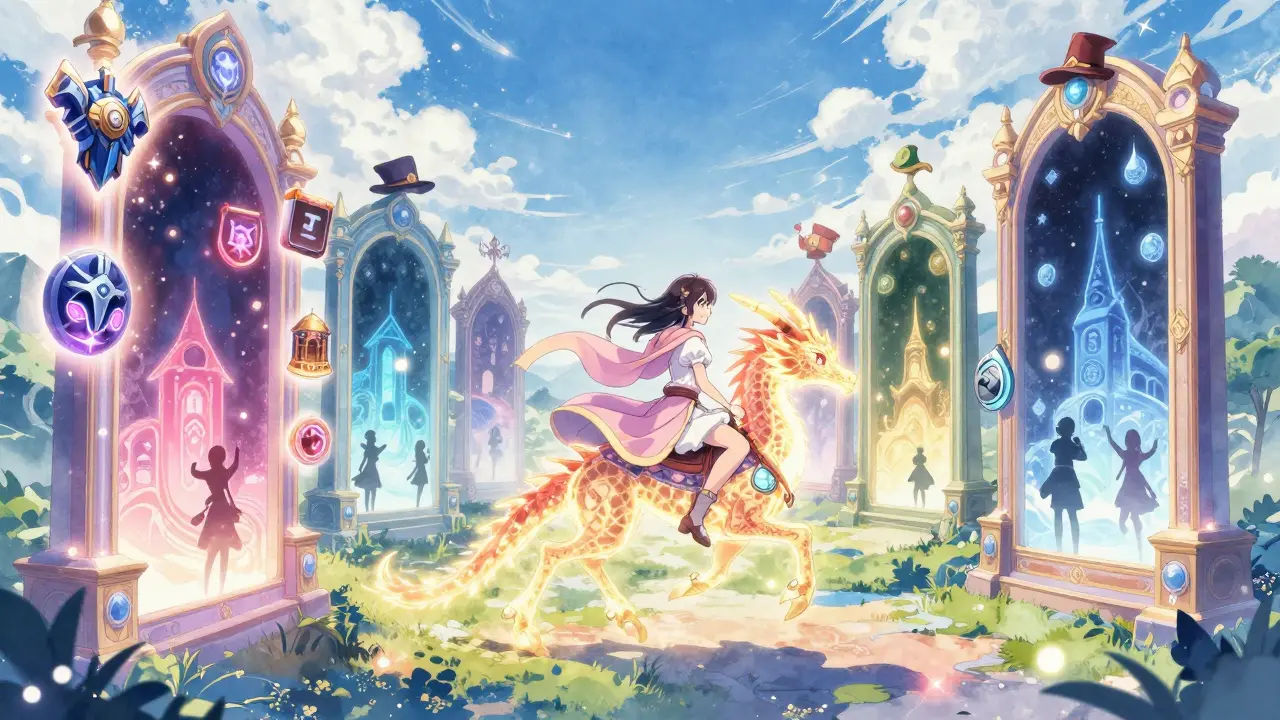
AI That Learns From Your Playstyle
NFTs aren’t just static collectibles anymore. The latest wave is dynamic NFTs-assets that change based on how you play. A sword might grow stronger as you win battles. A pet might evolve its appearance after you complete 100 quests. A house might expand as you host more events. These changes are recorded on-chain, permanently. AI algorithms analyze your behavior and trigger upgrades automatically. This creates deeply personalized experiences. No two players have the same gear. No two journeys look alike. Developers aren’t just coding game mechanics-they’re designing living ecosystems. And because these upgrades are tied to NFTs, players know their effort is permanently recognized. It’s not just a game. It’s a digital legacy.Games as Part of the Metaverse
The metaverse isn’t a single place. It’s a network of connected digital spaces. NFTs are the glue. Your avatar, your car, your art-these aren’t locked inside one game. They exist across virtual stores, social hubs, concerts, and even virtual offices. Game developers who build with NFTs aren’t just making games. They’re building nodes in a larger digital economy. A player might buy a helmet in your game, wear it to a virtual concert, then trade it for a piece of digital real estate. That’s not a stretch-it’s already happening. Developers who design for this ecosystem get more exposure, more cross-promotion, and more long-term relevance. Games that don’t adapt to this interconnected world risk becoming isolated relics.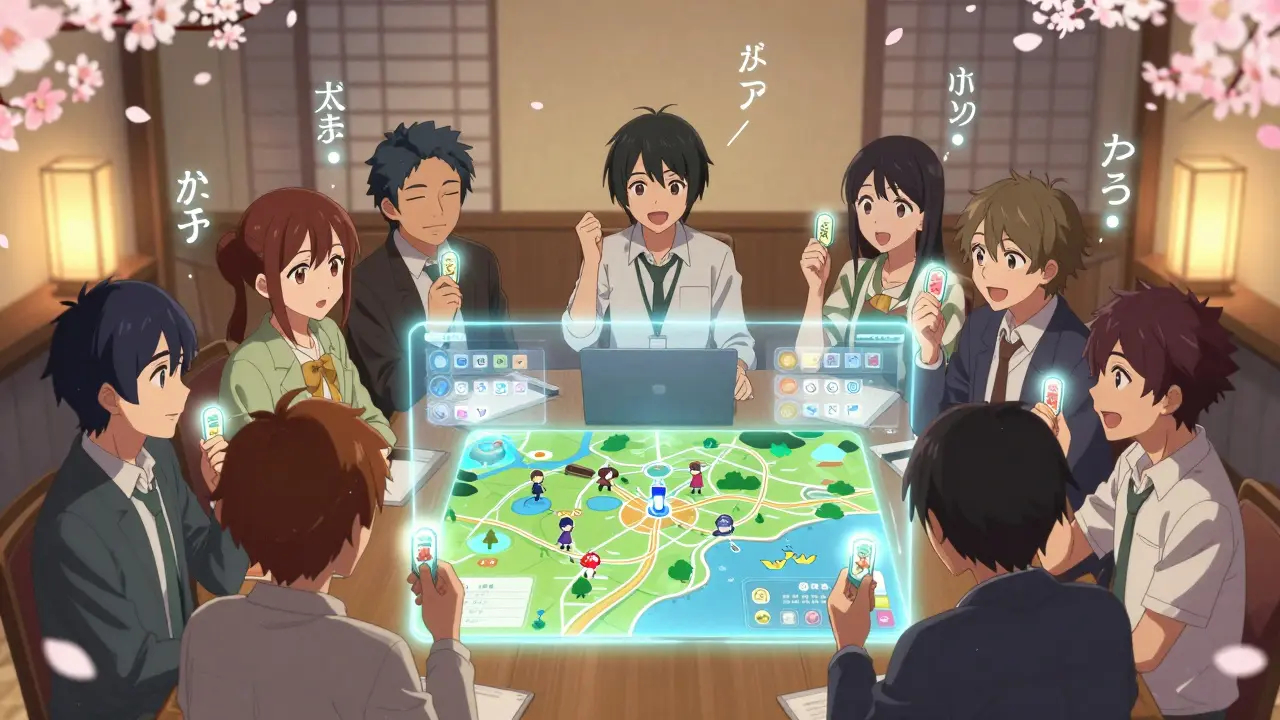
Community That Owns the Game
NFTs enable something rare in gaming: true co-ownership. Through DAOs (Decentralized Autonomous Organizations), players can vote on game updates, new features, or even how revenue is distributed. Imagine a game where 40% of NFT royalties go back to the community treasury. Players who hold governance tokens can propose new maps, balance changes, or charity events. This isn’t a poll on Reddit. It’s on-chain voting. It’s binding. Developers who embrace this model don’t just make games-they build movements. The most successful NFT games in 2026 aren’t run by CEOs. They’re run by their players. And that loyalty is unshakable.Technical Challenges? Yes. But They’re Solvable
Building an NFT game isn’t like building a mobile app. You need smart contracts. You need wallet integration. You need to handle gas fees and blockchain delays. You need to comply with AML rules. Yes, it’s harder. But tools are better than ever. Platforms like Chainlink, Polygon, and Immutable X handle the heavy lifting. You don’t need to be a blockchain expert-you just need the right partners. Security is non-negotiable. But the payoff? A game that can’t be shut down by a company. A game where your assets live forever. A game that earns money for decades. The upfront cost is real. But so is the long-term gain.The Future Is Already Here
In 2025, NFT gaming stopped being a hype cycle. It became a standard. Major studios like Ubisoft and Square Enix have launched NFT-integrated titles. Indie devs are thriving with cross-game asset partnerships. Players are spending real money-not because they think they’ll flip an NFT for profit-but because they love the game and the ownership it gives them. The technology has matured. The regulations are clearer. The infrastructure is stable. For game developers, the choice isn’t whether to use NFTs anymore. It’s whether to lead or follow.Do players really care about owning NFTs in games, or is it just for speculators?
Players care because NFTs give them control. In traditional games, your items can vanish if the server shuts down or the company changes its rules. With NFTs, your gear lives on the blockchain. You own it. You can sell it, trade it, or use it in other games. In 2026, surveys show over 68% of active NFT gamers value ownership more than potential profit. They play because they love the game, not because they’re trying to flip a sword.
Can small indie developers compete with big studios using NFTs?
Yes, and they’re winning. Big studios have resources, but indie devs have agility. A solo developer can mint 500 unique NFT weapons in a week, launch a game, and start earning royalties immediately. With interoperability, their items can be used in other games, giving them instant access to larger audiences. Many top-grossing NFT games in 2025 were made by teams of 3-5 people. NFTs level the playing field by letting creativity, not budgets, drive success.
Are NFT games just about making money, or is there real gameplay?
The best NFT games are great games first. Ownership is the bonus, not the whole point. Titles like “Illuvium” and “The Sandbox” have deep mechanics, strategic combat, and rich worlds. NFTs enhance the experience-they don’t replace it. Players spend hours mastering skills, building bases, and exploring. The NFTs just let them keep what they earn. Games that focus only on monetization fail. Games that focus on fun and then add ownership thrive.
What happens if a game shuts down? Do I lose my NFTs?
You don’t lose your NFTs. Your items live on the blockchain, not on the game’s server. Even if the developer stops supporting the game, your NFT still exists. You can still sell it, trade it, or display it in other platforms. Some games even let players export their NFTs to standalone viewers or virtual galleries. The game may disappear, but your ownership doesn’t.
Do I need cryptocurrency to make an NFT game?
You need blockchain technology, but not necessarily crypto payments. Many modern NFT games let players buy items with credit cards or PayPal. The NFT is still minted on-chain, but the front-end feels like a normal store. Players don’t need wallets to start playing. Developers handle the crypto side behind the scenes. This removes friction and opens the door to mainstream audiences.
Is the NFT gaming market too risky for developers to enter?
The risk is lower than ever. In 2021, NFT games were mostly scams or gimmicks. Today, they’re built on stable blockchains, with real economic models and clear legal frameworks. Regulatory clarity is improving-many countries now recognize NFTs as digital collectibles, not securities. The biggest risk isn’t the tech. It’s not building something fun. The market is growing. The tools are ready. The players are waiting.
Patty Atima
March 20, 2026 AT 13:31Game dev is becoming less about selling and more about stewarding.
Lucy de Gruchy
March 21, 2026 AT 20:39Lauren J. Walter
March 22, 2026 AT 15:03Carol Lueneburg
March 23, 2026 AT 15:34Imagine your kid’s first NFT sword - not just a skin, but a legacy. That’s emotional. That’s real.
Let’s build worlds where players feel like heroes, not customers. 💖
Brenda White
March 25, 2026 AT 07:46Tobias Wriedt
March 26, 2026 AT 16:37Ernestine La Baronne Orange
March 27, 2026 AT 04:56My therapist said I’d never heal from losing my Skyrim armor.
But now? Now I have a blockchain-backed relic of my soul.
I cried. I screamed. I bought three more.
And if you don’t get it? You’ve never loved anything enough to fight for it.
Manali Sovani
March 27, 2026 AT 09:39Konakuze Christopher
March 27, 2026 AT 18:53S F
March 28, 2026 AT 07:27Angelica Stovall
March 28, 2026 AT 09:05Taylor Holloman.
March 28, 2026 AT 16:21Not because of the tech.
Because of the feeling.
Players aren’t just buying items. They’re buying belonging. And developers? They’re finally listening.
That’s rare. That’s worth protecting.
Sarah Zakareckis
March 28, 2026 AT 16:21Sarah Hammon
March 29, 2026 AT 09:30Just one thing - you spelled ‘ERC-1155’ wrong in the third paragraph. It’s ‘ERC-1155’ not ‘ERC-1156’ 😅
iam jacob
March 30, 2026 AT 02:42Jesse Pals
March 31, 2026 AT 01:21My kid got a dragon in a game last week. Last month, he’d have been crushed if it vanished. Now? He’s proud. He shows it off.
That’s not tech. That’s parenting.
Diane Overwise
April 1, 2026 AT 01:29How very… 2026 of you.
Ann Liu
April 1, 2026 AT 03:51