
NFTP Airdrop by NFT TOKEN PILOT: What You Need to Know Before Claiming
 Jun, 23 2026
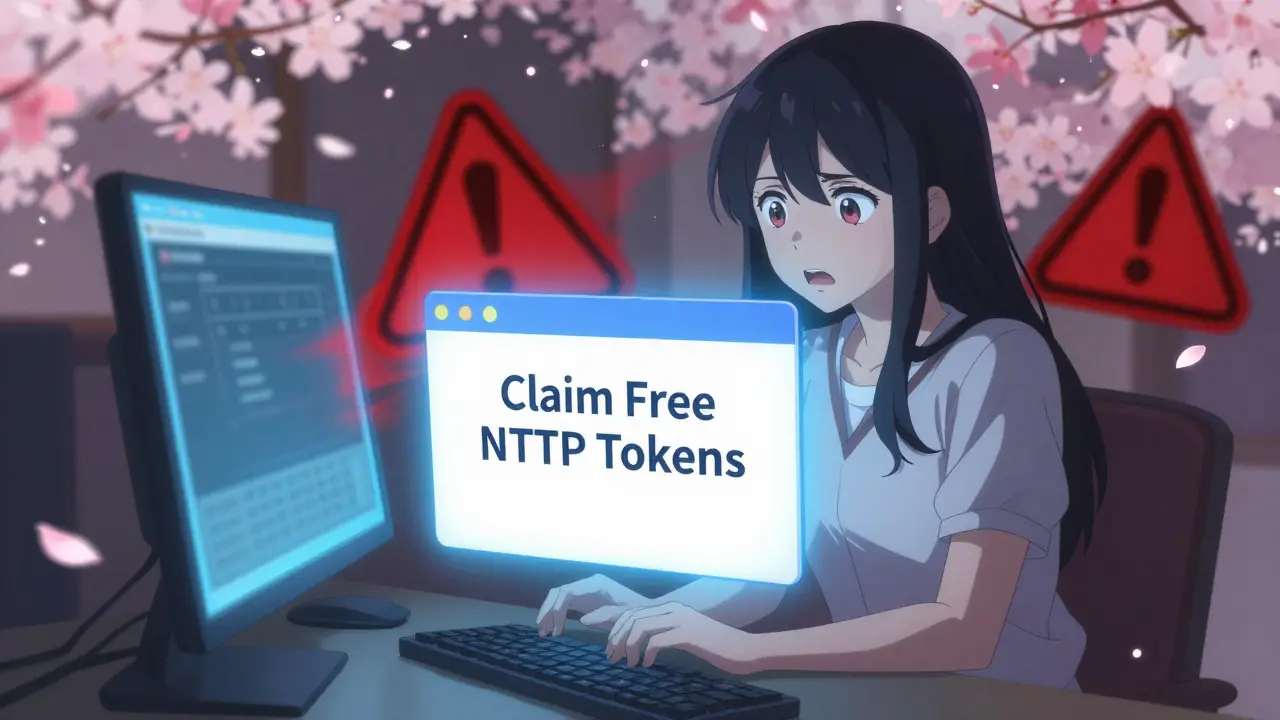
It starts with a message in your DMs or a pop-up on a crypto forum. "Claim your free NFTP tokens now." The promise is simple: you hold the keys to the next big thing in digital art and gaming. But before you connect your wallet and sign that transaction, pause. In the world of NFT TOKEN PILOT, which claims to be a platform distributing NFTP tokens through an airdrop mechanism, silence often speaks louder than hype. As of mid-2026, there is virtually no verifiable information about this specific project from reputable sources.
This lack of data isn't just an inconvenience; it's a massive red flag. Legitimate projects build communities, publish whitepapers, and list their code on public repositories like GitHub. When a project vanishes into thin air, leaving only vague promises of wealth, you are likely looking at a trap designed to drain your assets. This guide breaks down what we know-or rather, what we don't know-about the NFTP airdrop, how to spot similar scams, and why caution is your best investment strategy right now.
The Mystery of NFT TOKEN PILOT
To understand the risk, we first have to look at the entity behind the curtain. NFT TOKEN PILOT is an unverified organization claiming to distribute cryptocurrency tokens. In the legitimate crypto space, every major player has a footprint. You can find their team on LinkedIn, their legal registration in corporate databases, and their smart contract audits on platforms like CertiK or Hacken. For NFT TOKEN PILOT, these trails end abruptly.
There are no credible news articles from outlets like CoinDesk or Cointelegraph covering their launch. There are no verified announcements from major influencers who typically vet projects before promotion. Most importantly, there is no transparent roadmap. A roadmap is more than just a list of dates; it’s a commitment to development. Without it, you’re betting on a ghost ship. If you cannot find a working website with detailed technical documentation, assume the project does not exist in any functional capacity.
Analyzing the NFTP Token Claims
The core offering here is the NFTP token, described as a speculative digital asset promised via airdrop by NFT TOKEN PILOT. Proponents claim these tokens will unlock exclusive access to galleries, games, or staking rewards. However, without a published tokenomics report, these claims are baseless marketing fluff. Tokenomics explain how many tokens exist, how they are distributed, and what utility they serve.
Consider the difference between Bitcoin and a random meme coin. Bitcoin has a fixed supply of 21 million coins, known mining algorithms, and clear historical data. NFTP offers none of this. Is there a maximum supply? Who controls the treasury? Can the developers mint infinite tokens and dump them on early adopters? These questions remain unanswered. When a project hides its economic model, it usually means the math doesn’t work in favor of the user. It works in favor of the creators.
| Feature | Legitimate Project | Suspicious Project (e.g., NFTP) |
|---|---|---|
| Team Identity | Publicly known, doxxed founders | Anonymous, fake profiles, or no info |
| Smart Contract Audit | Audited by firms like CertiK/OpenZeppelin | No audit, or fake PDF certificates |
| Community Presence | Active Discord/Telegram with real discussion | Bots, spam, or muted channels |
| Utility & Roadmap | Clear product use case and timeline | Vague promises of "future partnerships" |
| Website Domain Age | Often registered months/years in advance | Registered days or weeks before launch |
How Fake Airdrops Steal Your Crypto
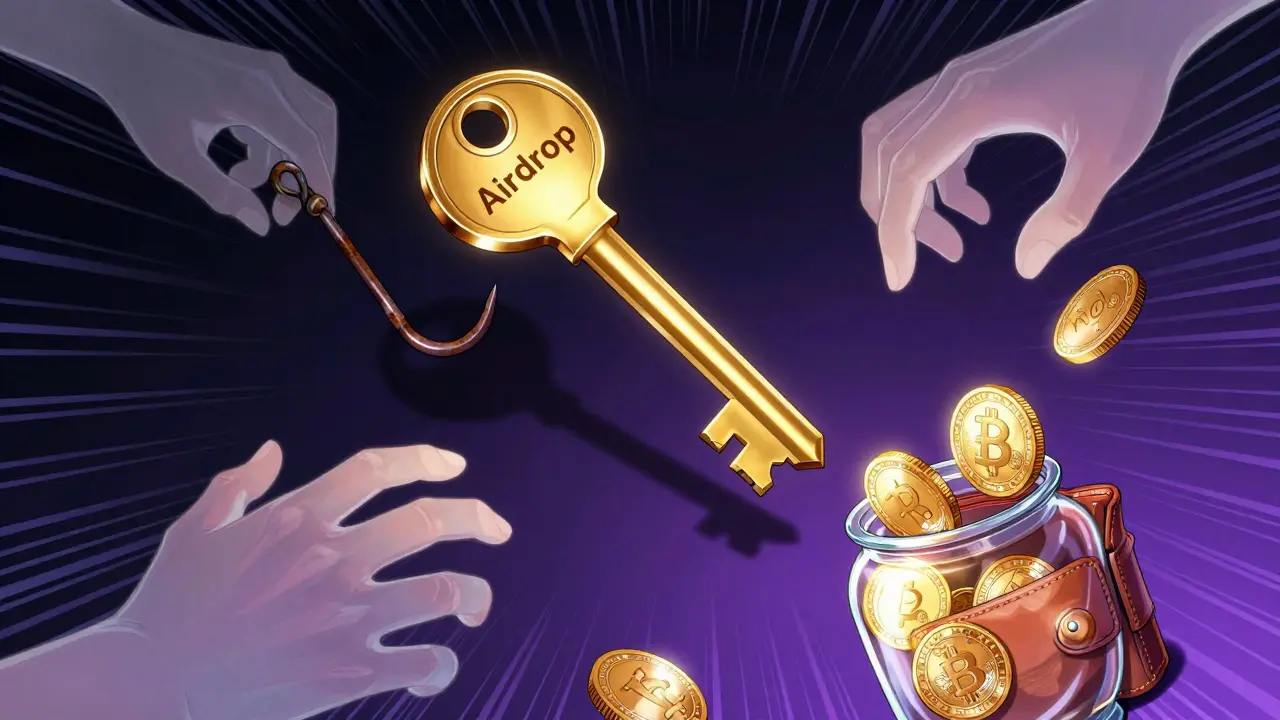
You might think, "What’s the worst that can happen? I lose some gas fees." That’s exactly what scammers want you to believe. The mechanics of a fake airdrop are sophisticated and dangerous. They rely on social engineering to trick you into authorizing malicious transactions. Here is how the trap typically springs shut.
- The Hook: You see an ad for the NFTP airdrop. It looks professional. The graphics are sleek, and the language mimics established brands like Ethereum or Solana.
- The Connection: You are asked to connect your wallet (like MetaMask or Phantom) to claim your tokens. Connecting a wallet is safe in itself, but it reveals your address history.
- The Approval Trap: To receive the tokens, you must "approve" a transaction. Scammers hide malicious code in this approval. Instead of sending you tokens, the contract gives the attacker unlimited permission to spend your existing assets.
- The Drain: Once approved, the bot instantly sweeps your wallet. It takes your ETH, SOL, USDT, or any other valuable tokens you hold. By the time you realize the balance is zero, the funds are moved through mixers and gone forever.
This isn't hypothetical. In 2023 and 2024, millions of dollars were lost to similar schemes involving fake Uniswap, OpenSea, and various NFT project airdrops. The pattern is identical. The name changes, but the code remains predatory.
Red Flags to Watch For Immediately
If you encounter a site promoting the NFTP airdrop or any similar unknown token, run this checklist. If even one item checks out as suspicious, walk away immediately.
- Urgency Tactics: Phrases like "Claim within 24 hours" or "Limited spots left" create panic. Panic kills critical thinking. Real projects give you time to verify.
- Spelling Errors: Look closely at the URL. Is it `nft-token-pilot.com` or `nft-token-pil0t.net`? Scammers often use homoglyphs (letters that look like numbers) to mimic legitimate domains.
- No Whitepaper: A whitepaper explains the technology. If they don't have one, or if it's filled with buzzwords like "quantum blockchain synergy" without technical substance, it's a scam.
- Paid Promotion Only: If the only people talking about it are paid shillers on Twitter or Telegram bots, and no independent journalists are covering it, treat it as noise.
- Request for Seed Phrase: Never, ever enter your 12 or 24-word seed phrase on any website. No legitimate airdrop requires this. Doing so gives full control of your wallet to the hacker.
Verifying Project Legitimacy: A Step-by-Step Guide
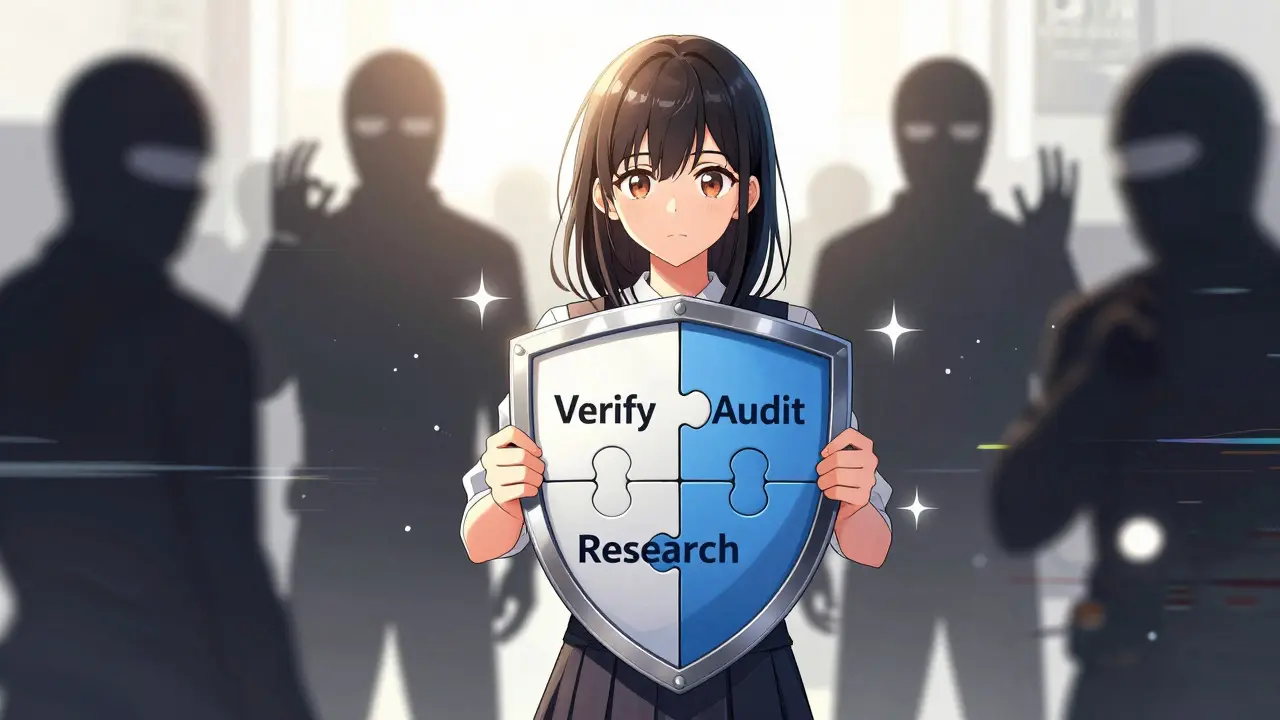
Before engaging with any new crypto opportunity, perform due diligence. This process takes five minutes and can save you thousands of dollars. Start by checking the domain age using tools like WHOIS. If the domain for NFT TOKEN PILOT was registered last week, it is highly suspect. Next, search for the project name along with keywords like "scam," "review," or "reddit." See what real users are saying, not what the official channel says.
Check the smart contract address on Etherscan, BscScan, or Solscan. Does the contract have liquidity locked? Is the ownership renounced? If the developer still owns the contract, they can change the rules, freeze your tokens, or rug pull the liquidity pool. Look for audit reports from recognized firms. Be wary of self-audits or audits from unknown entities. Finally, join their community channels. Ask direct questions. If moderators delete negative comments or ban users who ask for proof, leave immediately.
Safer Alternatives for Crypto Rewards
If you are looking to earn crypto without investing capital, there are safer, proven methods. Learn-to-earn platforms like Coinbase Earn or Binance Learn allow you to watch short educational videos and receive small amounts of legitimate cryptocurrencies. These are backed by major exchanges with regulatory compliance.
Another option is participating in testnets for emerging blockchains. Projects like Arbitrum or Optimism have offered genuine airdrops to users who interacted with their networks during testing phases. However, even these carry risks. Always use a burner wallet-a separate wallet with minimal funds-for interacting with new protocols. Never connect your main holding wallet to unverified dApps. This isolation ensures that if a site is malicious, your primary assets remain untouched.
Protecting Your Digital Assets in 2026
The landscape of cyber threats evolves constantly. In 2026, AI-generated deepfakes and sophisticated phishing kits make scams harder to detect. Protection requires a layered approach. Use hardware wallets like Ledger or Trezor for significant holdings. Enable two-factor authentication (2FA) on all exchange accounts, preferably using an authenticator app rather than SMS. Regularly revoke unused token approvals using tools like Revoke.cash. This cleans up old permissions that could be exploited later.
Education is your strongest defense. Stay updated on current scam trends. Follow security-focused accounts on social media. Understand that if something sounds too good to be true-like free money from an unknown source-it almost certainly is. The crypto market rewards patience and research, not impulse and greed.
Is the NFTP airdrop by NFT TOKEN PILOT real?
There is no verifiable evidence that NFT TOKEN PILOT or the NFTP token is a legitimate project. The lack of transparent team information, audited smart contracts, and credible media coverage suggests it is likely a scam or a non-functional entity. Proceed with extreme caution.
How can I tell if an airdrop is a scam?
Look for red flags such as anonymous teams, newly registered domains, requests for your seed phrase, and high-pressure tactics. Legitimate projects provide detailed whitepapers, undergo third-party security audits, and have active, transparent communities. If you can't verify the team or the code, assume it's unsafe.
What happens if I connect my wallet to a fake airdrop site?
Connecting your wallet alone may not steal funds immediately, but signing a transaction to "claim" tokens often grants the attacker permission to drain your assets. Malicious contracts can sweep your ETH, stablecoins, or NFTs. Always check transaction details carefully and use a burner wallet for unknown sites.
Are there any safe ways to get free crypto?
Yes, reputable exchanges offer "Learn and Earn" programs where you receive small amounts of crypto for completing educational modules. Additionally, some legitimate blockchain projects reward early testers with tokens, but these require careful verification of the project's legitimacy and should always be done using a secondary wallet.
Should I share my seed phrase to claim an airdrop?
Never. No legitimate cryptocurrency service will ever ask for your seed phrase or private key. Sharing this information gives complete control of your wallet to anyone who has it. If a site asks for it, it is 100% a scam.
ravi mahla
June 25, 2026 AT 01:21lol another ghost project trying to drain wallets. typical.
Grace Newman
June 25, 2026 AT 07:54It is not merely a scam, it is part of the grand design to dismantle our financial sovereignty. The silence from NFT TOKEN PILOT is deafening because they are working in tandem with shadowy global entities to harvest your biometric data through wallet connections. You think you are claiming tokens? No, you are signing away your digital soul to a centralized algorithm that knows your every move before you make it. They want you dependent on their fabricated scarcity while they hoard the real value. Wake up and see the strings attached to every pop-up.
Kenneth Riley
June 26, 2026 AT 00:06the whole premise of this article is flawed because it assumes there is any legitimacy to begin with. these projects are designed by people who know exactly how gullible the masses are. if you cannot find a whitepaper then the project does not exist in any meaningful way. stop engaging with garbage.
Annemarie Fitzgerald
June 27, 2026 AT 00:25one must consider the existential dread of participating in such hollow constructs. the token is a symbol of nothingness yet we chase it as if it holds meaning. i feel a profound sadness when i read about these schemes. it reflects a society lost in digital mirages. why do we seek validation from anonymous algorithms? perhaps the true loss is not the crypto but our capacity for genuine human connection. the void stares back at us through the blockchain.
sreeja boora
June 27, 2026 AT 10:59This type of unregulated activity undermines the integrity of our national digital infrastructure. We need strict oversight to prevent foreign entities from exploiting our citizens through deceptive practices like this NFTP scheme. It is unacceptable that such vague organizations can operate without accountability. Our security depends on rigorous verification protocols that are clearly absent here. We must demand transparency and protect our local economy from these predatory international scams.
Abby Sivertsen
June 27, 2026 AT 20:03i just checked the domain age and it was registered three days ago. thats insane. nobody launches a major platform on a brand new domain unless they plan to rug pull immediately. also the social media accounts have zero organic engagement its all bots posting the same generic hype. stay far away from this stuff.
Benjamin Eisen
June 28, 2026 AT 06:00hey guys just wanted to say that its really important to look out for each other here. i noticed a lot of people getting excited about free tokens but please be careful. maybe try using a burner wallet if you really want to check it out but honestly i think its safer to just ignore it. let me know if you need help checking a contract address.
Mark Brunschwiler
June 30, 2026 AT 02:53i feel so empty when i see people falling for this. it is sad. i tried to warn my friend but he did not listen. now he has no money. i am tired of explaining this over and over. why do people not care about their own safety? it hurts me inside to watch everyone get tricked by these fake promises.
Terry Hyland
June 30, 2026 AT 12:55this is evil. pure evil. these scammers are stealing from hardworking people. they have no morals. they should go to jail. i hope they get caught soon. it makes me sick to my stomach to think about how many families are ruined by this greed. justice must be served.
Tim Lefebvre
July 1, 2026 AT 00:33actually you can use revoke.cash to clean up old approvals. its super easy. just connect your wallet and it shows you all the permissions you gave to contracts. i did this last week and found three suspicious ones. highly recommend doing it regularly.
Monica Pathammavong
July 1, 2026 AT 08:24you are all missing the point. the issue is not just the scam but the lack of critical thinking skills among the general population. if you cant verify a smart contract yourself then you deserve to lose your money. stop asking for handouts and learn how to code or leave the space alone.
JEVON HALL
July 2, 2026 AT 20:35bro seriously just use coinbase earn instead 😅 its legit and actually pays you. why risk everything for a fake airdrop? 🤷♂️
Dr Lynea LaVoy
July 3, 2026 AT 17:38I understand the allure of quick gains, but please prioritize your security. I recommend creating a separate wallet specifically for interacting with unknown protocols. This way, even if something goes wrong, your main assets remain safe. Let's support each other in staying informed and cautious. Your financial well-being is paramount.
Matthew Malone
July 4, 2026 AT 11:57This is exactly what happens when we allow unchecked innovation without proper regulation. These overseas operators exploit our open markets while contributing nothing to our society. We need stronger borders for our digital assets too. Enough of this nonsense.
aaliyah zahid
July 5, 2026 AT 02:33oh wow i never thought about the psychological aspect of these scams. its wild how they target our fears and desires. thanks for sharing this perspective. lets keep supporting each other and spreading awareness about these dangers. together we can make the community safer.
Erik Kirana
July 6, 2026 AT 19:04👨🏫 Listen closely. If you are reading this and still considering connecting your wallet, you are making a grave error. I have seen countless victims ruin their lives over similar schemes. Do not be one of them. Verify everything or lose everything. That is the only lesson that matters here. 📉