
What Is IWNon? A Guide to the iShares Russell 2000 Value Tokenized ETF (Ondo)
 Jun, 28 2026
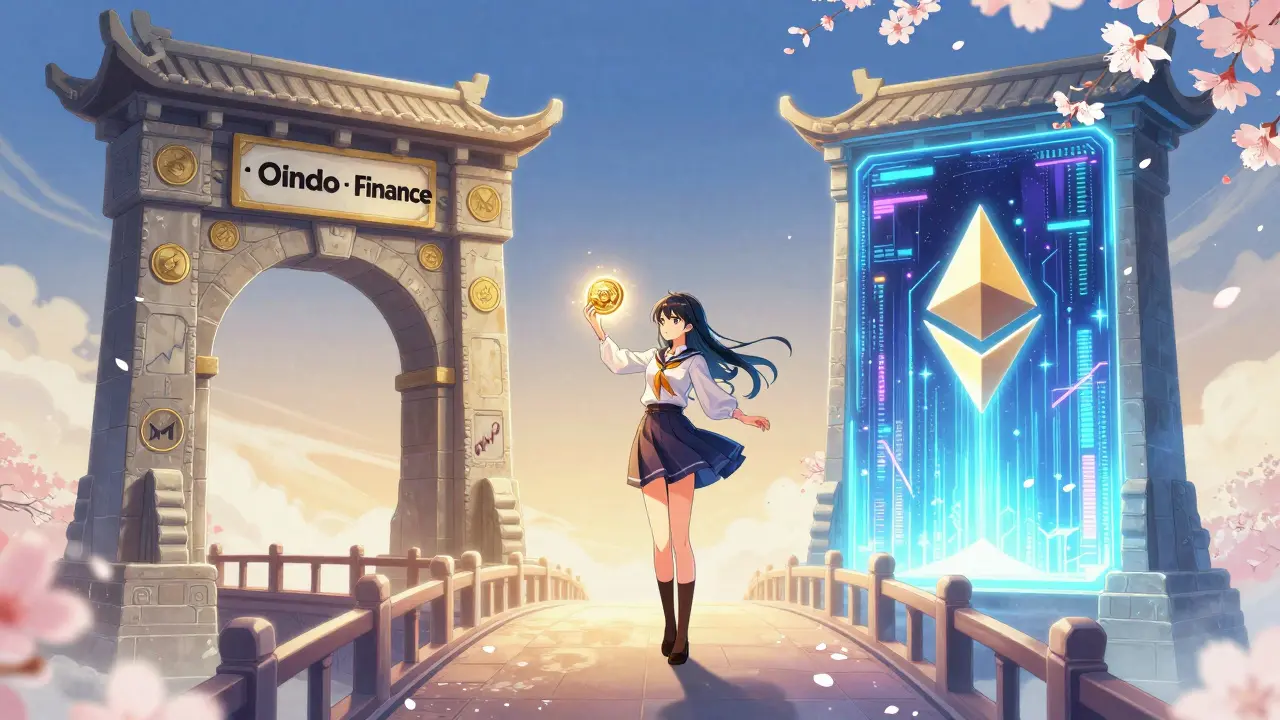
Imagine being able to trade a U.S. small-cap value ETF at 3:00 AM on a Saturday from anywhere in the world, without opening a traditional brokerage account. That is exactly what IWNon offers. It is not a typical cryptocurrency like Bitcoin or Ethereum that relies on hype or utility within a specific app. Instead, it is a bridge between Wall Street and blockchain technology.
If you are wondering whether this new asset class is right for your portfolio, you need to understand what lies beneath the ticker symbol. IWNon represents a shift in how global investors access traditional financial markets. Let’s break down what it is, how it works, and why it matters in mid-2026.
The Core Concept: What Is IWNon?
IWNon is the tokenized version of the iShares Russell 2000 Value ETF (ticker IWN), issued by Ondo Finance. Think of it as a digital receipt that tracks the price performance of the underlying ETF. When you hold IWNon, you are getting economic exposure similar to holding shares of IWN, including reinvested dividends, but you do not own the actual stock shares.
The underlying asset, iShares Russell 2000 Value ETF, is managed by BlackRock. It focuses on U.S. small-cap companies that are considered "value" stocks-meaning they are often undervalued relative to their fundamentals compared to growth stocks. By tokenizing this ETF, Ondo allows non-U.S. investors to gain access to this specific slice of the American market via the blockchain.
Here is the critical distinction: IWNon is a synthetic instrument. You cannot vote on shareholder decisions, nor can you redeem your tokens for actual shares of Apple or Microsoft held within the ETF. You are betting on the price movement of the ETF itself. This structure bypasses many of the friction points of international investing, such as currency conversion delays and restricted broker accounts.
How Ondo Finance Makes It Work
To understand IWNon, you have to look at its issuer, Ondo Finance. Founded in 2021 by Nathan Allman and Pinku Surana, Ondo has positioned itself as a leader in Real-World Asset (RWA) tokenization. They don’t just create random coins; they build regulated bridges between institutional finance and decentralized networks.
Ondo operates through a platform called Ondo Global Markets. As of early 2026, this platform had processed over $127 million in asset volume within its first week of major expansion, signaling strong institutional interest. The process works like this:
- Off-Chain Hedging: Ondo or its regulated partners hold the actual IWN ETF shares or equivalent derivatives off-chain.
- On-Chain Issuance: They mint IWNon tokens on the blockchain (primarily Ethereum) that correspond to the value of those holdings.
- Price Tracking: The value of IWNon is designed to mirror the net asset value (NAV) of the IWN ETF, adjusted for fees and taxes.
This setup means that while you interact with a crypto wallet, the heavy lifting of compliance and asset custody is handled by traditional financial infrastructure. This hybrid model is what allows Ondo to operate legally in jurisdictions like Liechtenstein, granting access to over 500 million potential investors across Europe.
Technical Specs: Where Does IWNon Live?
IWNon is primarily an ERC-20 token on the Ethereum network. This choice ensures compatibility with the vast majority of crypto wallets and decentralized exchanges. However, the ecosystem is expanding. In January 2026, Ondo announced support for Solana, bringing faster transaction speeds and lower fees to its suite of tokenized assets.
For the average user, the most significant development was the integration with MetaMask in February 2026. Previously, buying tokenized ETFs required navigating complex decentralized exchange interfaces. Now, eligible users in supported non-U.S. regions can swap USDC for IWNon directly inside the MetaMask mobile app. This lowers the barrier to entry significantly, turning a niche product into something accessible to anyone with a smartphone and a stablecoin balance.
Trading hours for IWNon mimic traditional markets: Sunday 8:05 PM ET through Friday 7:59 PM ET. However, because it exists on the blockchain, you can transfer your tokens to another wallet or use them in DeFi protocols 24/7, even when the markets are closed.
Market Data and Liquidity Reality Check
Before you invest, you need to look at the numbers. As of late June 2026, IWNon trades in the range of $219-$223 per token. While the price sounds high, remember that each token likely represents a single share or a defined unit of the underlying ETF exposure.
| Metric | Value |
|---|---|
| Price Range | $219.47 - $223.11 USD |
| Circulating Supply | ~24,660 Tokens |
| Market Cap | ~$5.5 Million USD |
| 24-Hour Volume | $58,000 - $737,000 USD |
Notice the low circulating supply and modest market cap. Compared to the multi-billion-dollar AUM of the actual IWN ETF, IWNon is tiny. This brings us to a crucial point: liquidity risk. If you try to sell a large position quickly, you might face slippage because there aren’t thousands of buyers waiting in the order book like there would be on a traditional stock exchange. For small retail positions, this is manageable. For large institutional bets, it requires careful planning.
Pros and Cons: Is IWNon Right For You?
No investment is perfect. Here is a balanced look at why you might choose IWNon over traditional methods, and where it falls short.
The Advantages
- Global Access: Non-U.S. residents often face hurdles opening U.S. brokerage accounts. IWNon removes this barrier for eligible jurisdictions.
- Settlement Speed: Traditional stock trades take two days to settle (T+2). Blockchain transfers happen in minutes.
- Composability: You can potentially use IWNon as collateral in other DeFi lending protocols, something you cannot do with shares sitting in a Fidelity or Vanguard account.
- 24/5 Trading: React to news outside of standard market hours.
The Risks
- Counterparty Risk: You are trusting Ondo and its custodians to manage the underlying assets correctly. If they fail, your token could lose value regardless of how well the Russell 2000 performs.
- No Voting Rights: You are an investor, not a shareholder. You have no say in corporate governance.
- Liquidity Constraints: As noted, the market depth is shallow compared to traditional ETFs.
- Regulatory Uncertainty: Crypto regulations are still evolving. Changes in U.S. or EU law could impact how these tokens are traded or held.

Comparing IWNon to Similar Assets
You might wonder how IWNon compares to other options. Let’s look at two main competitors: direct ETF ownership and other Ondo tokens.
Compared to buying IWN directly through a broker, IWNon offers convenience and accessibility but sacrifices voting rights and deep liquidity. It is best suited for investors who prioritize ease of access and blockchain integration over total control.
Within the Ondo ecosystem, IWNon sits alongside IWMON, which tracks the broader Russell 2000 Index. If you want general small-cap exposure, IWMON is the choice. If you specifically believe in "value" investing strategies-buying stocks that appear cheap based on metrics like P/E ratios-IWNon is the targeted tool. Both serve different strategic goals within a portfolio.
How to Buy IWNon
If you decide to proceed, here is the practical path forward for most users in mid-2026:
- Get a Wallet: Download MetaMask Mobile or another Ethereum-compatible wallet.
- Fund with USDC: Purchase USDC (a stablecoin pegged to the dollar) via an exchange or peer-to-peer method and send it to your wallet.
- Check Eligibility: Ensure you reside in a supported jurisdiction. Ondo restricts access to U.S. persons due to SEC regulations.
- Swap: Use the MetaMask Swaps feature to exchange USDC for IWNon. The interface will show you the current rate and any fees.
- Hold or Trade: Keep the tokens in your wallet for long-term exposure, or move them to a decentralized exchange if you wish to trade actively during market hours.
Remember, this is not financial advice. Always verify the current regulatory status in your country before engaging with tokenized securities.
Is IWNon a real stock?
No. IWNon is a blockchain token that tracks the economic value of the iShares Russell 2000 Value ETF. You do not own the underlying shares, and you do not have shareholder voting rights.
Can US citizens buy IWNon?
Generally, no. Ondo Finance restricts access to U.S. persons to comply with Securities and Exchange Commission (SEC) regulations. It is designed primarily for non-U.S. investors.
What happens if the Ethereum network goes down?
While rare, network issues could delay transactions. However, the underlying value of the ETF remains intact. Ondo’s infrastructure is built to handle such events, but you should always keep some liquidity in stablecoins for emergencies.
Does IWNon pay dividends?
Yes, but indirectly. The token’s value is designed to reflect the price of the ETF plus reinvested dividends. You won’t receive separate cash payments; instead, the dividend yield is baked into the token’s appreciation.
How does IWNon differ from IWMON?
IWNon tracks the "Value" subset of the Russell 2000 index, focusing on undervalued small-cap stocks. IWMON tracks the entire Russell 2000 index, offering broader small-cap exposure without a specific value tilt.